
Chikuni-goe course
●Difficulty: Family-friendly
●Walking Period: May to the first snowfall
●Total Length: Approximately 7km (Matsuzawa → Matsuzawa-guchi → Kutsukake → Chikuni-juku → Daibetto → Kyodo-kan)
● Time Required: About 3 hours 20 minutes from south to north / About 3 hours 50 minutes from north to south
Highlights
●Take in up-close views of the Northern Alps from Tsugaike
●Walk around the impressive stone statues of Maeyama Hyakutai Kannon
●Step inside the 200-year-old Ushikata Yado historic homestead
●Witness the unique Ushitsunagi-Ishi oxen hitching stone
●Tour the beautiful Chikuni-no-Sho restored guard station
●Learn more about Otari at the Kyodo-kan village history museum
Please see the Japanese page for the course map.
The Chikuni-goe Course is to the Shionomichi what Tsumago and Magome are to the Nakasendo; an excellent, easily-accessed introduction to the route that’s suitable for a wide range of ages and fitness levels. It is the best-maintained section of the Salt Road in Otari and is the trail used for the famous Shionomichi Matsuri (Salt Road Festival), held annually on the 3rd of May. The path offers up-close views of the Northern Alps near Tsugaike, and artfully weaves in and out of forested trails and small, traditional settlements where the spirit and atmosphere of the Shionomichi are still alive. There are numerous stone statues and points along the way to connect with the route’s rich history in more detail, including three historical sites that can be visited with a single combination ticket.
Elevation Profile
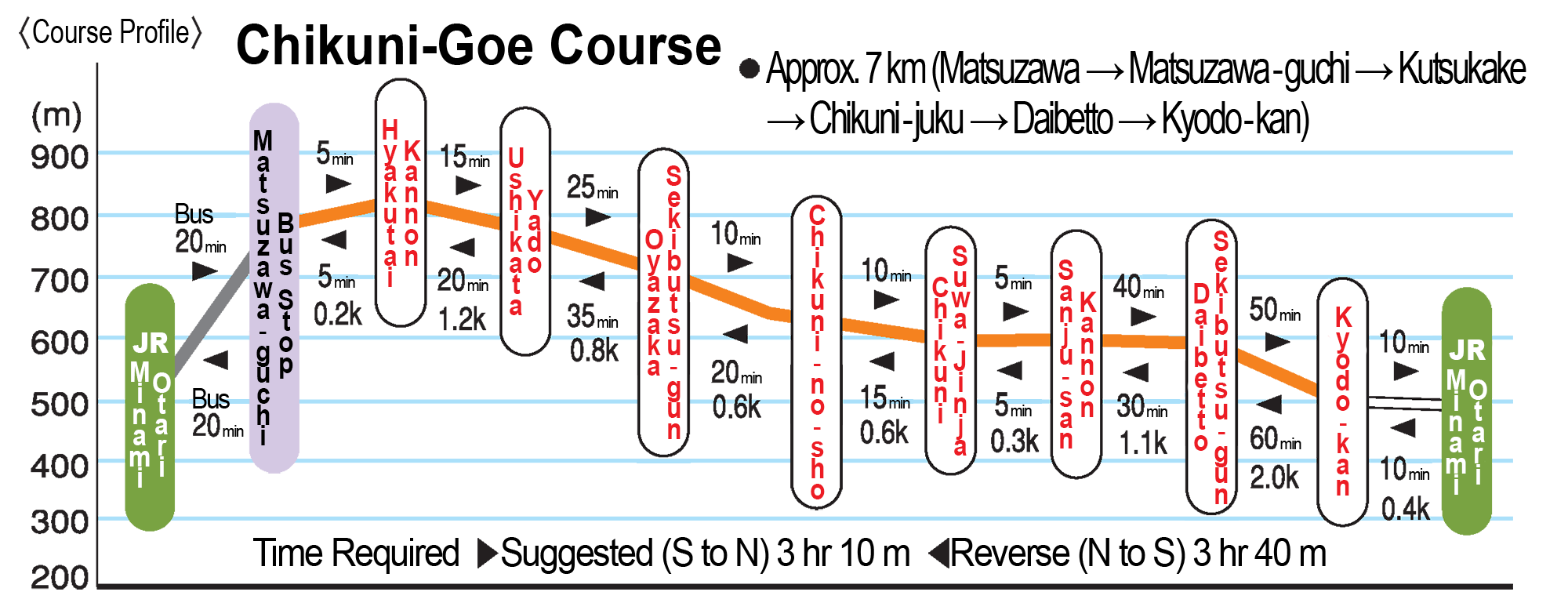
The Chikuni-goe route can be walked in either direction, but starting in Tsugaike from Matsuzawa makes for a gentle descent almost all the way to the end. The reverse route has significantly more climbing, making it a more challenging option for those with good stamina.
Access
By Car
Tsugaike Kogen Parking ← 5 min walk → Matsuzawa-Guchi ← Shionomichi (Salt Road) → Otari-mura Kyodo-kan ← 1 min walk → Otari Village Office Parking
Bus: about 20 min between Tsugaike Kogen and Minami-Otari Station. Taxis also available.
About a 5-minute walk from Minami-Otari Station to the Otari-mura Kyodo-kan.
By Train
Minami-Otari Station ← 5 min walk → Otari-mura Kyodo-kan ← Shionomichi (Salt Road) → Matsuzawa-Guchi ← 5 min walk → Tsugaike Kogen
Bus: about 20 min between Minami-Otari Station and Tsugaike Kogen. Taxis also available.
Historical Landmarks & Points of Interest
-
Hyakutai Kannon
This impressive cluster of one hundred centuries-old stone Kannon (Goddess of Mercy) statues represent those of Japan’s three major Kannon Pilgrimages: Saigoku, Chichibu, and Bando. Here they stand in two rows, looking peacefully out over the main Ushiro-Tateyama ridge line of the Northern Alps. (Designated as an Important Cultural Asset by Otari Village) 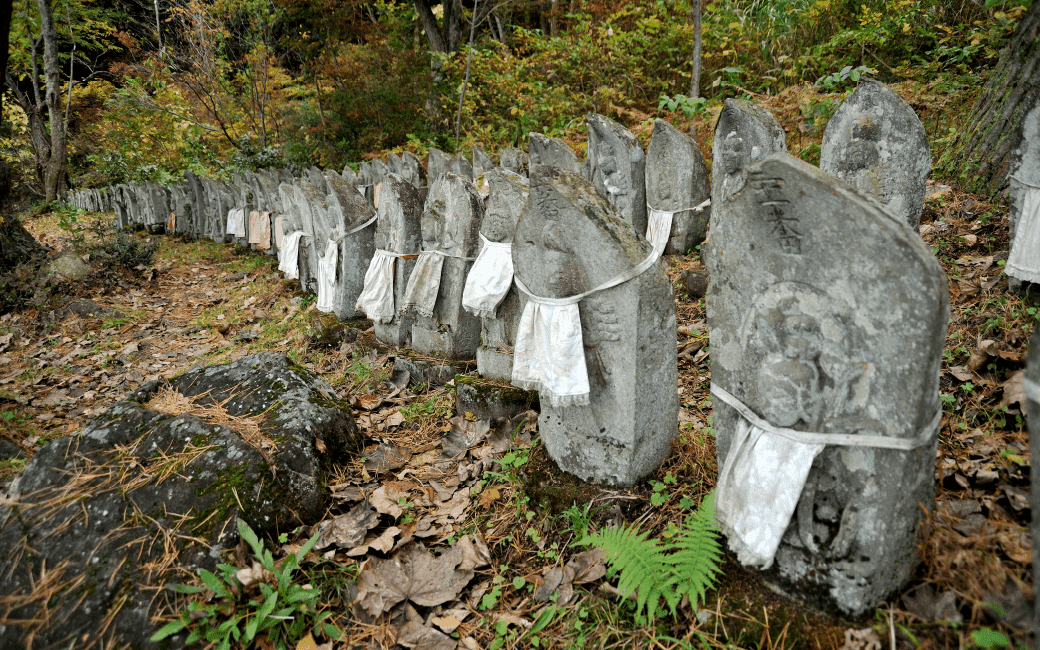
-
Hyakutai Kannon to Ushikata Yado
The area between the Hyakutai Kannon statues and the Ushikata Yado travels on a wide, gentle path at the edge of a forest, where magnificent views of the Northern Alps can be had on clear days. 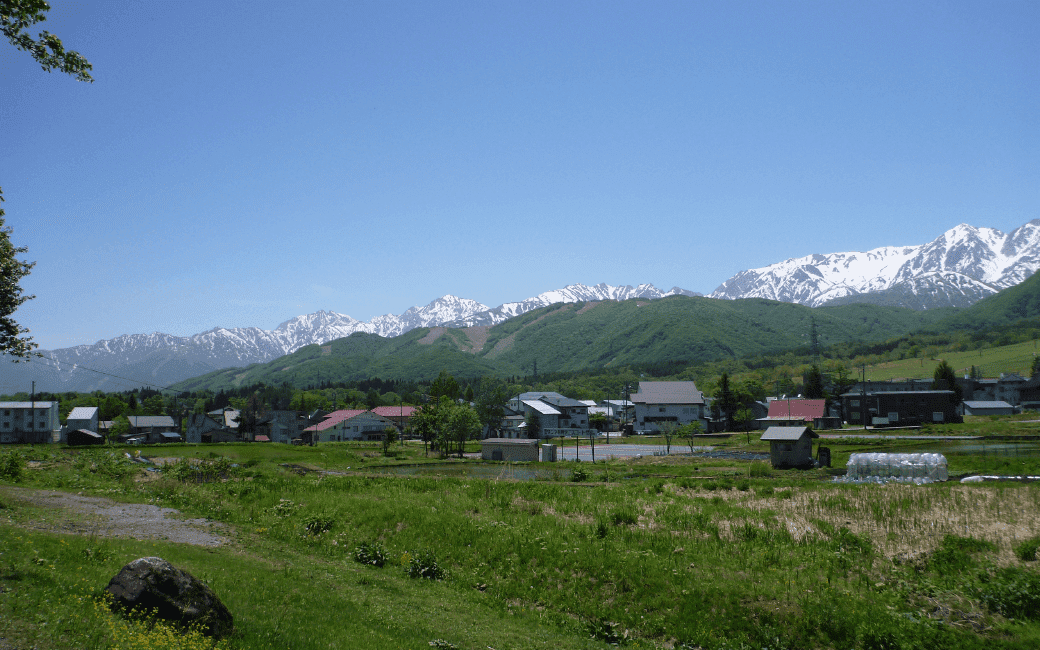
-
Ushikata Yado
This marvelous thatched-roof structure served as an accommodation for the ushikata herdsman who drove trains of pack oxen loaded with Salt on the Shionomichi. The animals rested on the hardened dirt floor, while the herdsman stayed in the loft area on the second floor where they could overlook their bovine partners. This is the only remaining lodge of its kind along the Chikuni Kaido, and has been declared as a Prefectural Treasure by the government of Nagano. 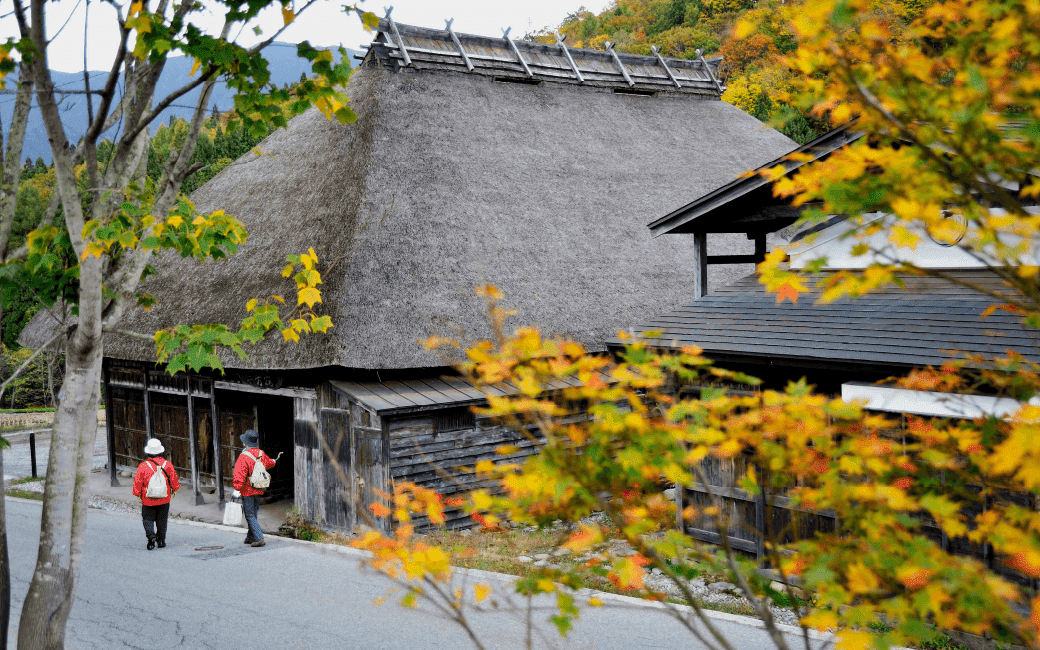
-
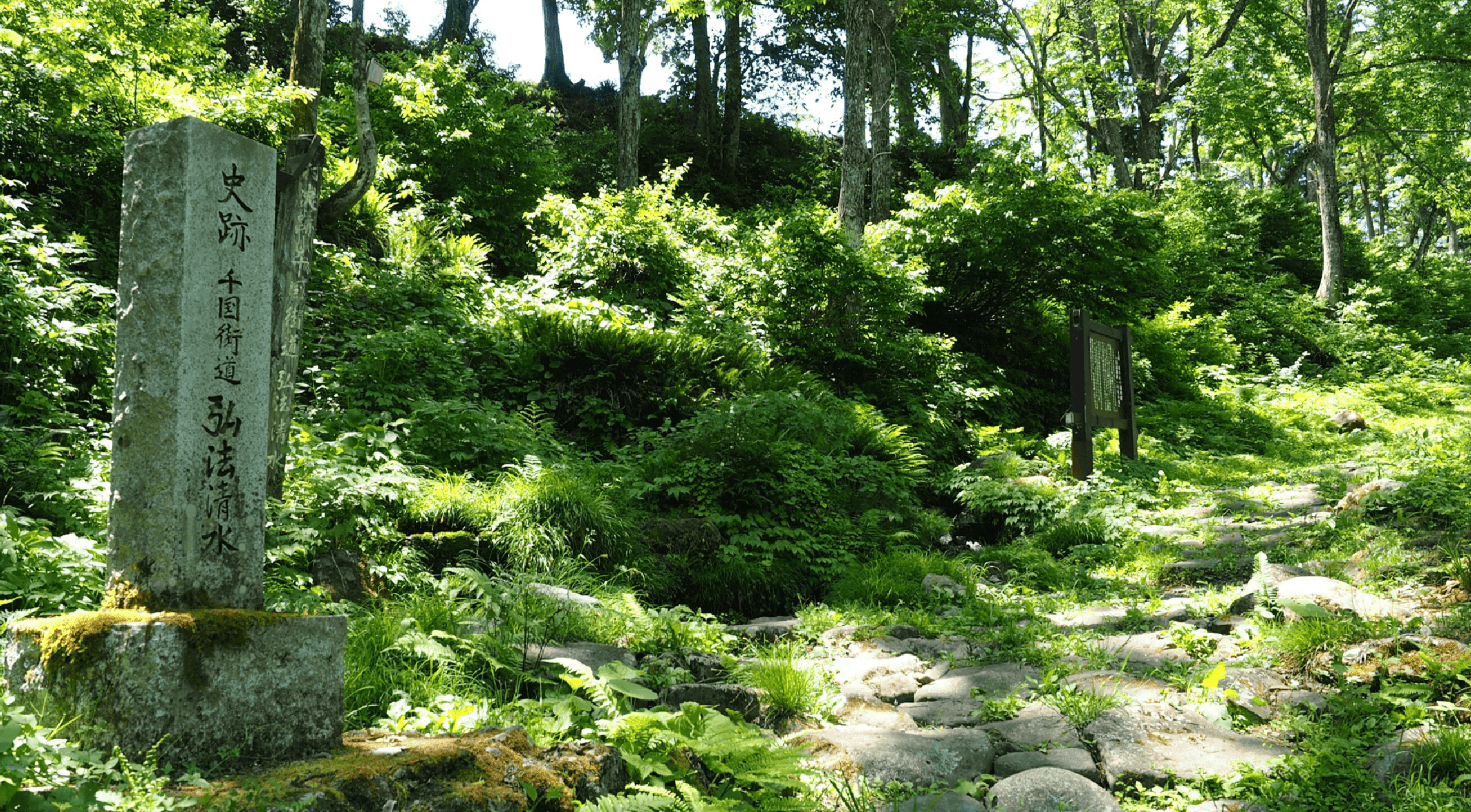
Kobo-no-Shimizu
The fresh water flowing from this spring quenched the thirst of both the oxen and the porters laboring along the Salt Road. The spring is named for the statue of Kobo Daishi, Japan’s most famous traveling monk, which sits serenely on the hillside above it. (Designated as an Important Cultural Asset by Otari Village) 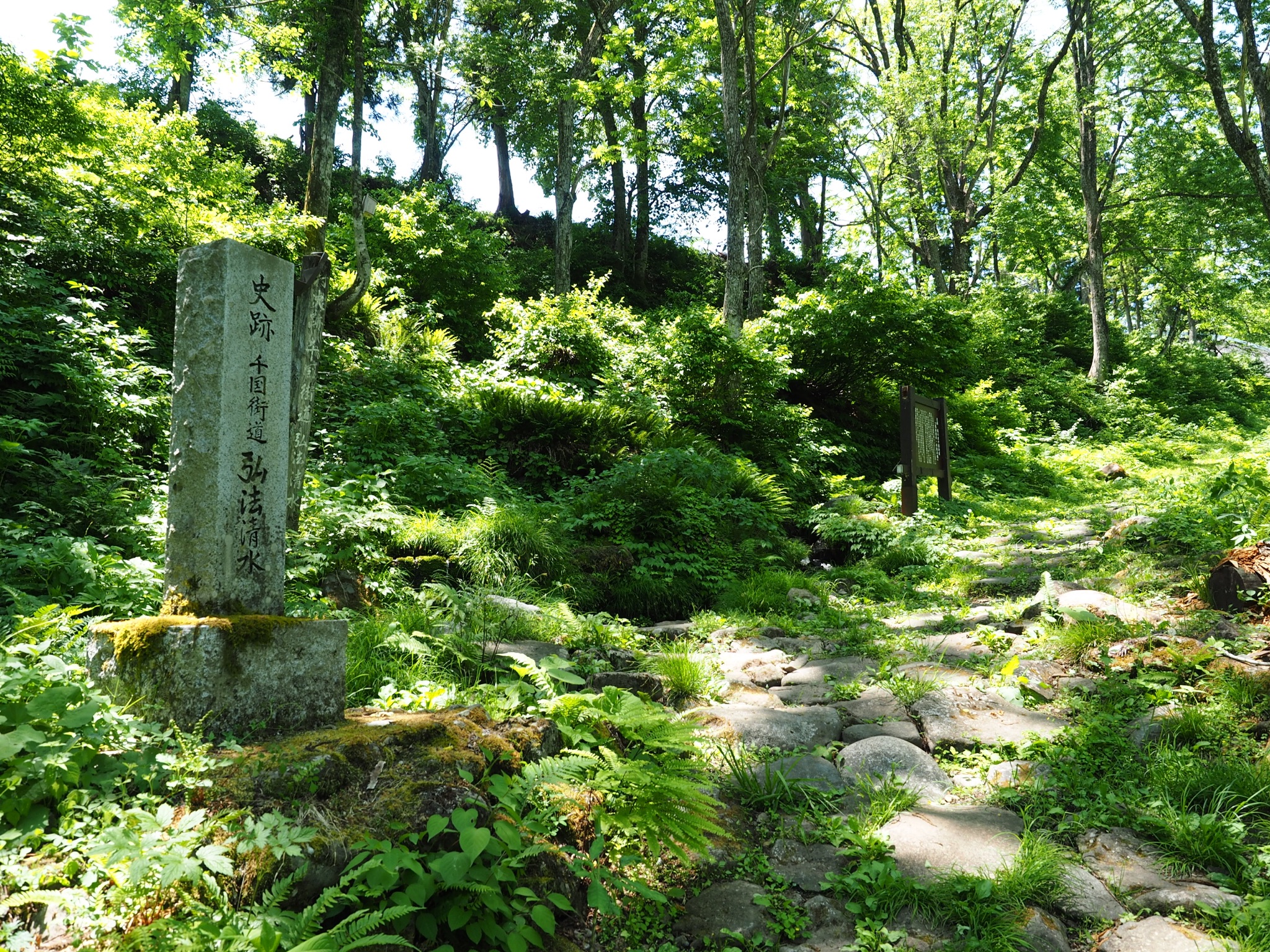
-
Nishiki-iwa
It is said that this large, solitary hunk of rock turns red when it rains.
-
Oxen Hitching Stone
A large stone beside the trail with a hole carved into it. It was used to tie the reins of oxen trains when travelers stopped to rest or water their animals.
-
Oyazaka Sekibutsu-gun
The steep Oyazaka slope is a scenic, but difficult section of trail, where, because of the severe gradient, paving stones were laid down to make it easier for the heavily burdened oxen and porters to climb and descend. These stones remain today, but have been largely dislodged and scattered by the ravages of time and the elements.
-
Chikuni-no-Sho Shiryo-kan / Chikuni Bansho
This restored checkpoint, located in a strategic spot along the historic Chikuni Kaido Salt Road, once served to collect duties, monitor the transport of salt and other goods, and check the documents of travelers. Now operating as a museum, it offers a unique glimpse into life from the Edo to early Meiji periods, and an interesting look at the operational side of the trail. The grounds also feature an old farmhouse that was moved from elsewhere within the same Chikuni settlement, and preserves features like an irori hearth, traditional living spaces, polished wooden beams, and rice-paper sliding doors. Visitors can also appreciate a variety of old items on display, from hina dolls and wooden rice containers, to other artifacts from the past. Additionally, the village of Otari is presented in more detail through dioramas and video displays. 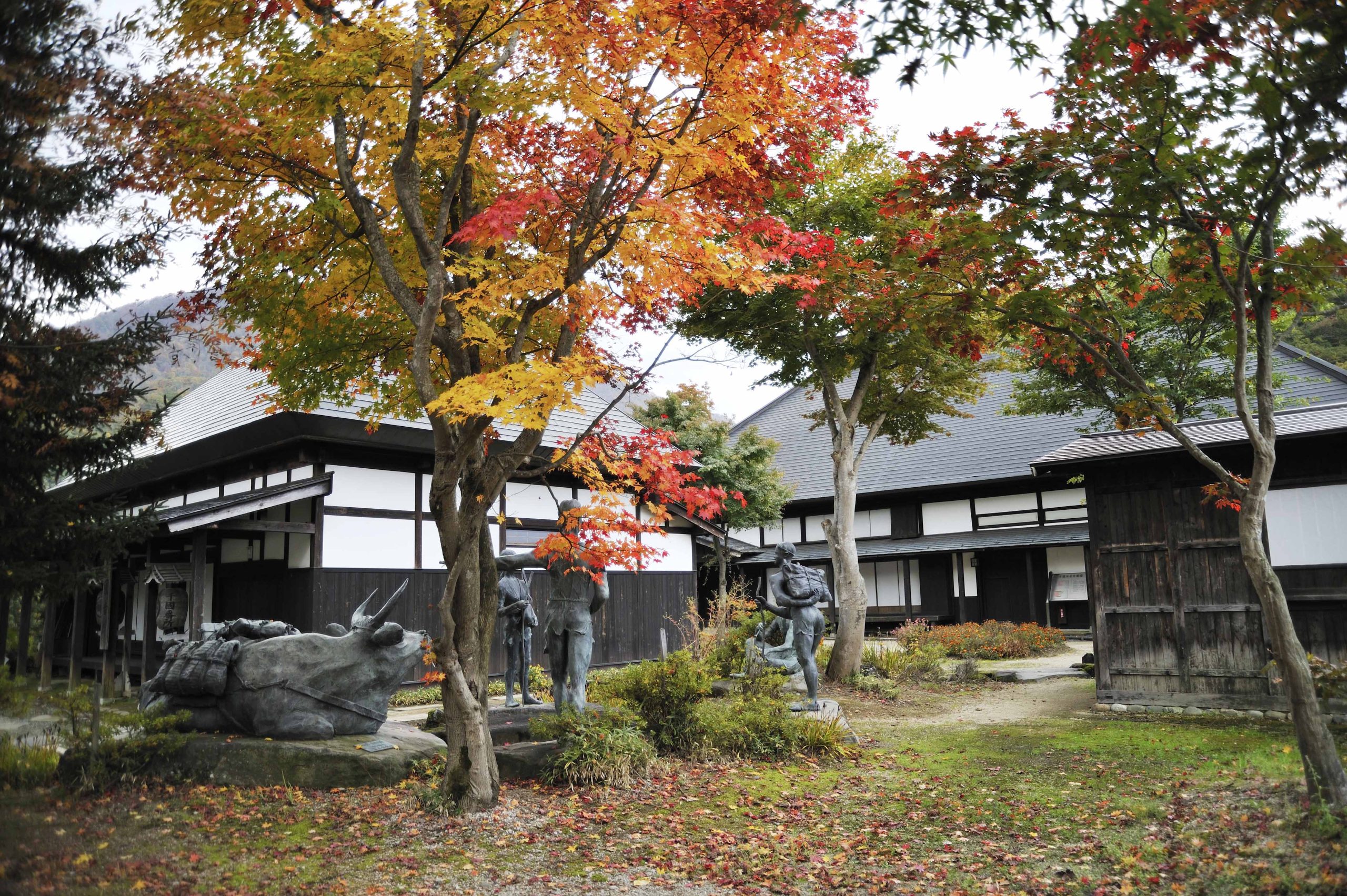
-
Chikuni Suwa-jinja
This quaint shrine right on the Shionomichi is famous for playing host to the Sasara Festival each year in mid-September, a unique spectacle that attracts visitors from all over Nagano Prefecture and beyond.
-
Thirty-Three Kannon Statues
A row of old stone statues standing at the entrance to Genchoji, a Soto Zen Buddhist temple. The statues here represent the Thirty-Three Kannon of western Japan’s Saigoku pilgrimage and are a rare sight in this region. 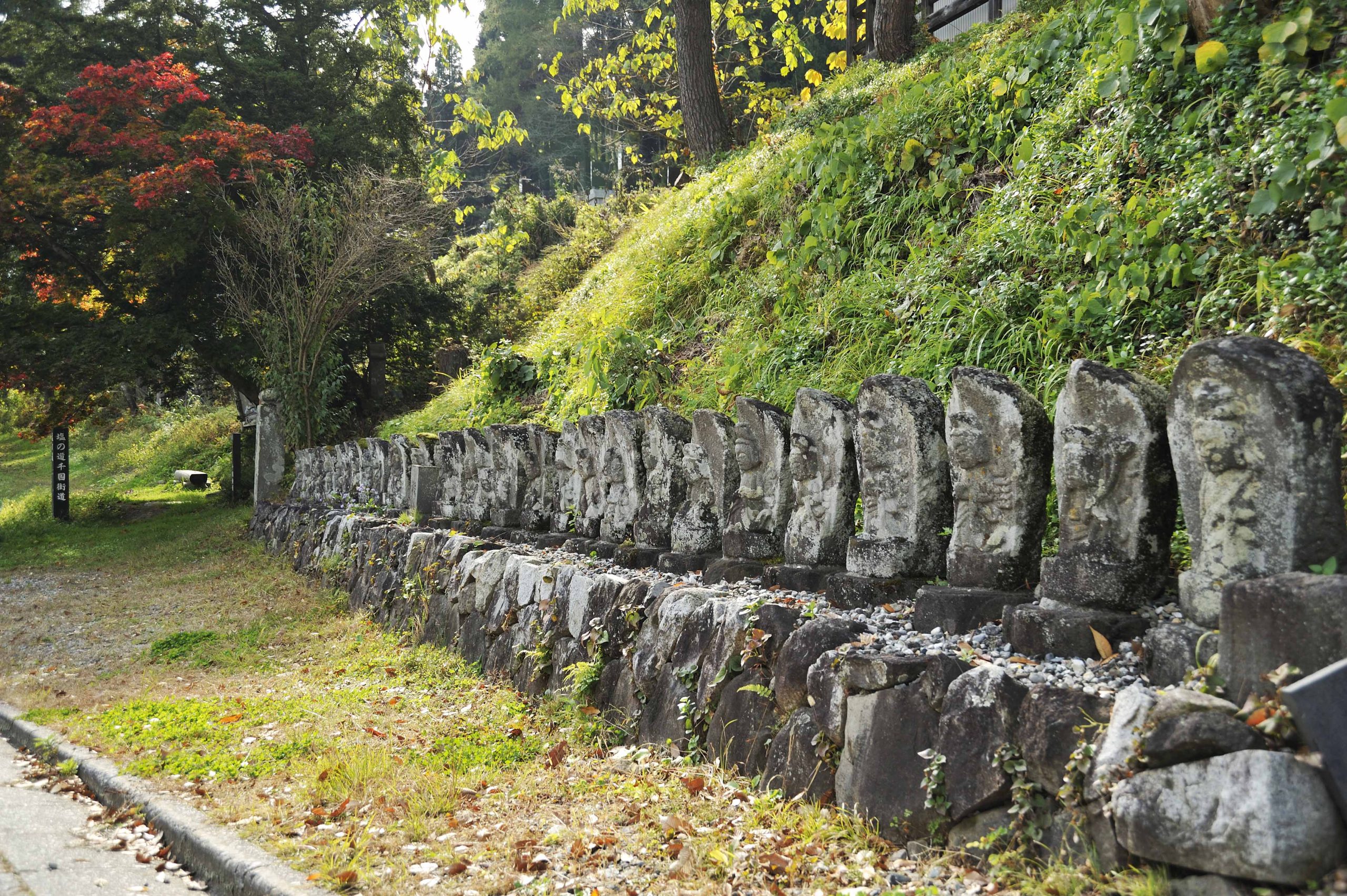
-
Shionomichi Suisha
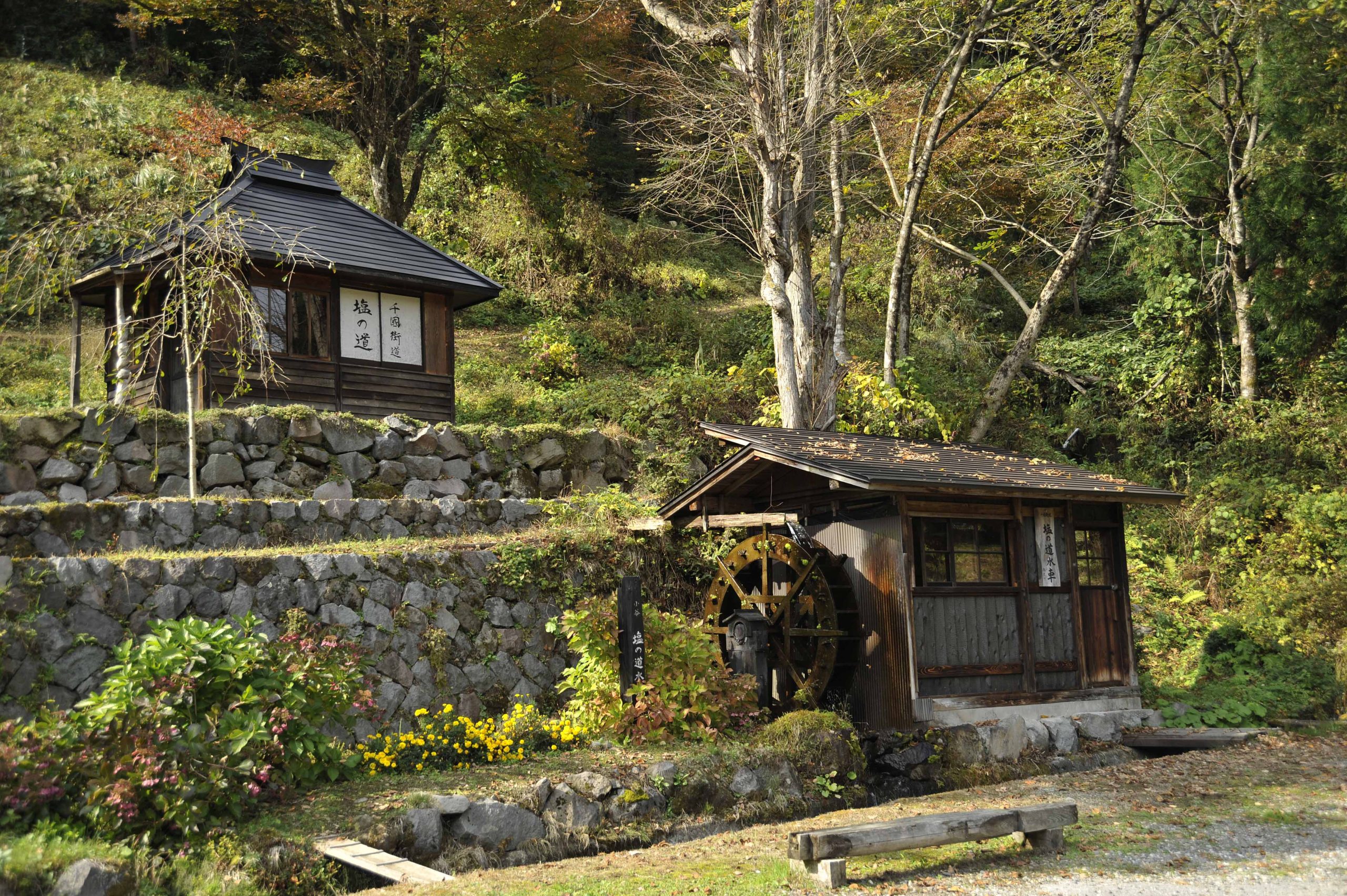
-
Shoki-sama
This large rock is engraved with the likeness of Shoki-sama, a deity originally from Chinese folklore, who was believed to have the power to ward evil spirits and plague. 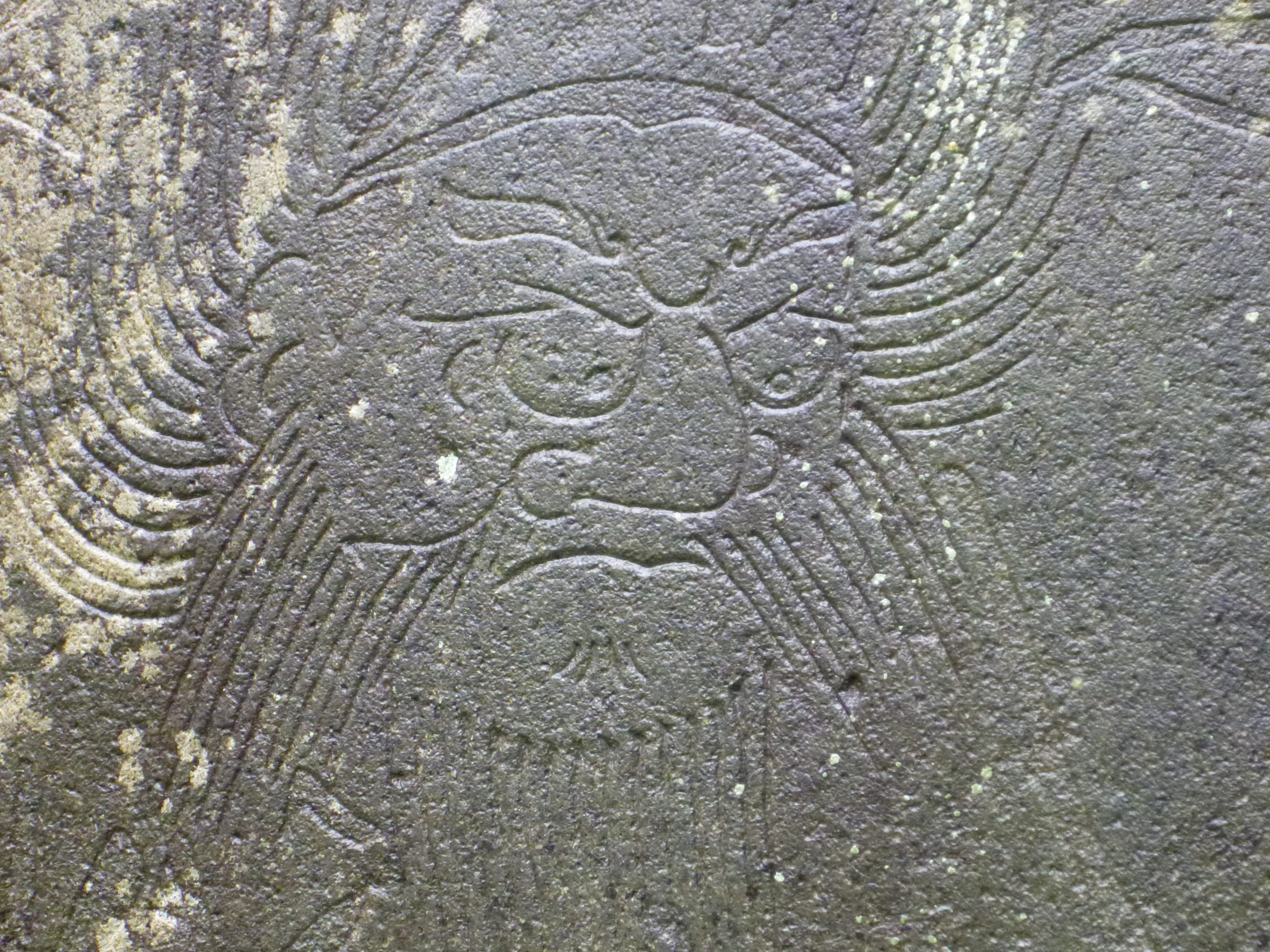
-
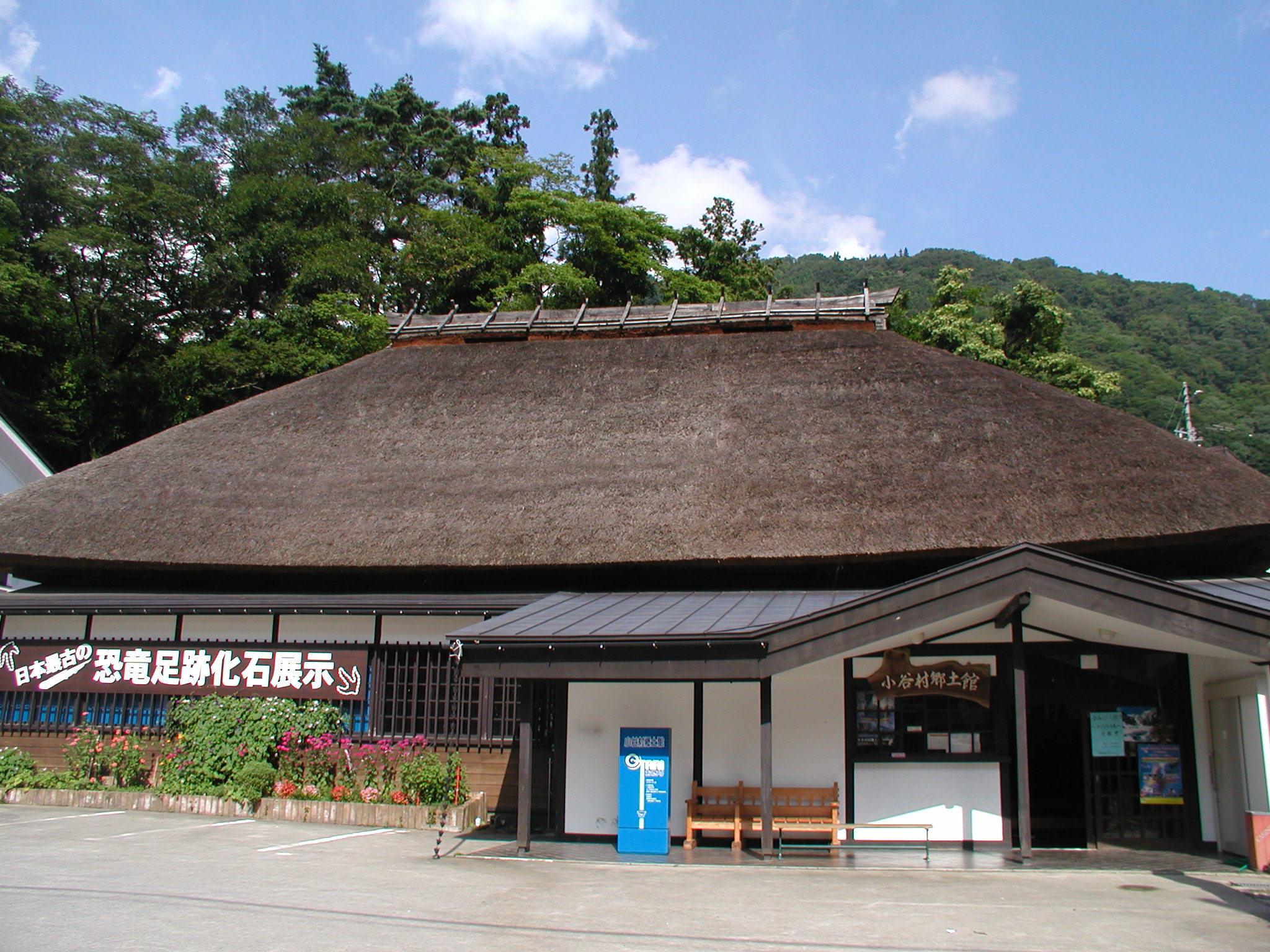
Otari-mura Kyodo-kan
This quaint local museum introduces the history and folklore of Otari Village, with a particular focus on materials related to the Chikuni Kaido Salt Road. Exhibited items include measuring scales and wooden-framed packs for salt, and rare straw sandals and toenail clippers once used for oxen. In addition, a set of fossilized dinosaur footprints preserved in the bedrock of a nearby stream, which were discovered in 1994, are also on display.