


Shionomichi
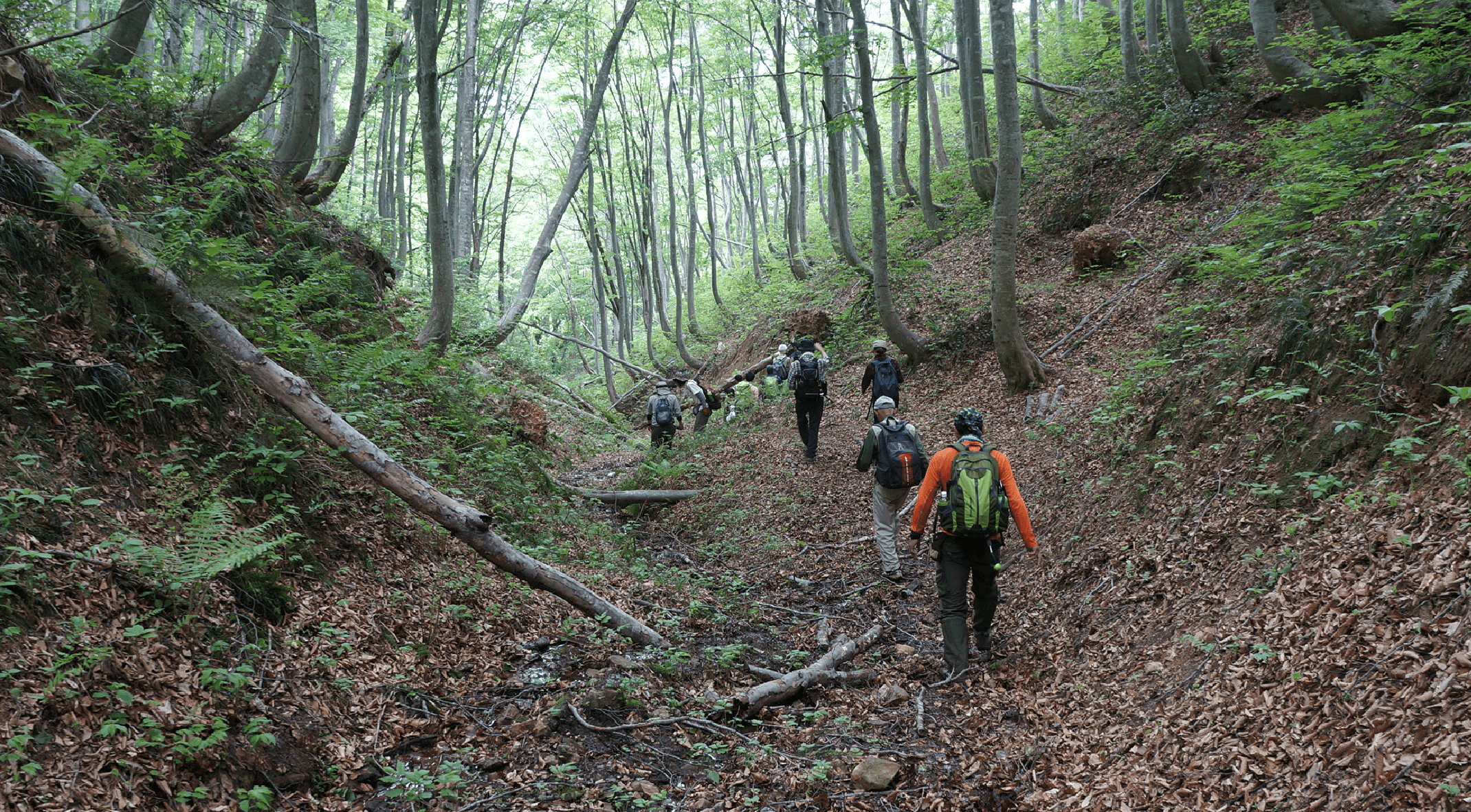
The Shionomichi, or “Salt Road,” is a historic trail that stretches approximately 120 km from Itoigawa on the Sea of Japan to the landlocked castle town of Matsumoto, via rugged mountain passes and small countryside hamlets. The route, also known as the Chikuni Kaido, was used for centuries by porters and pack animals to carry salt and seafood products inland, while returning cotton, hemp, tobacco, and other commodities to the ocean.
In 2019, Japan’s Agency for Cultural Affairs designated a portion of the route as one of the country’s “Top 100 Historic Roads,” and today it provides visitors with an unspoiled glimpse into authentic Japanese countryside and opportunities to engage with local communities along the way.
Otari-mura
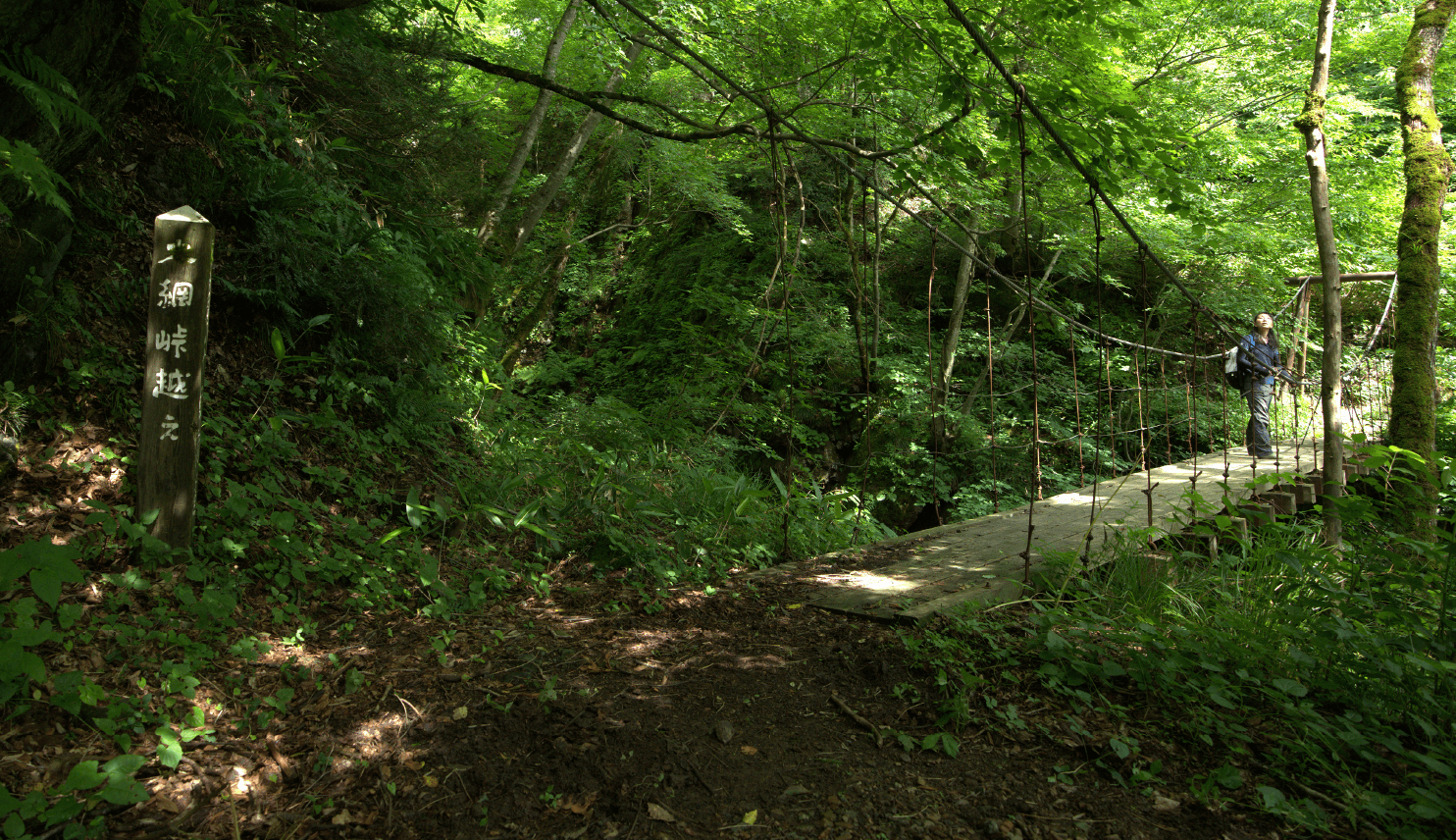
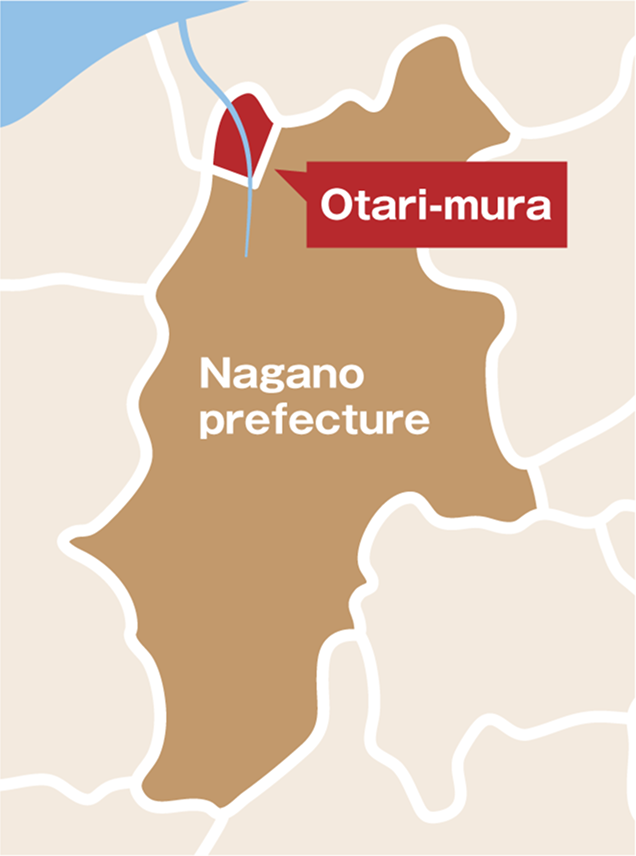
The Shionomichi travels through a number of municipalities along its length, but the heart of the Salt Road and its most scenic and best-preserved sections are found here in Otari. The route splits into two separate and distinct trails as it climbs from the sea and enters the village, each running for more than 30 kilometers on opposite sides of the Himekawa River before reconverging near the village center. These two branches of the Salt Road are known as the Chikuni Kaido (on the western side) and the Chikuni Kodo (on the eastern side), and each has its own unique characteristics, feel, and appeal. The Otari village government has further broken down both the Chikuni Kaido and Chikuni Kodo into four “model courses” each, for a total of eight named trails of manageable lengths that can be explored as day trips.
The eight courses can be enjoyed as simple, unguided scenic walks, but going with a registered guide can provide more context and information that will bring the story of the Shionomichi to life in a more vivid and meaningful manner. In either case, we sincerely hope you’ll come and experience the history and mystery of the Salt Road as you walk past ancient stone statues, historical sites, and local communities that offer a glimpse into the lives of people both now and in the distant past.
Some sections of the Shionomichi running through Otari Village are challenging and remote. In addition, the weather conditions in this part of the country can be harsh and unpredictable, so it’s imperative to be prepared with proper gear and clothing. We’ve compiled a general list of recommended items to ensure you’re well-equipped when setting out on the trail, though what you actually wear and carry will need to be adjusted depending on the course(s) you’ve chosen and the season you are traveling.
Clothing
- Hat
- Long-sleeve shirt
- Long pants
- Season-appropriate base layer
- Gloves
- Rainwear (separate top and bottom)
- Warm layer(s)
- Gaiters
- Socks
- Hiking boots (ankle-high recommended)
Equipment
- Backpack
- Backpack cover
- Waterproof bags
- Snacks
- Drinking water
- Emergency food
- Headlamp
- Spare batteries
- Sunglasses
- Sunscreen
- Watch
- Compass
- Map (1:25,000 scale)
- Knife
- Notebook & pen
- Toilet paper
- Trash bags
- First aid kit & personal medication
- Emergency shelter or survival sheet
- Copy of health insurance card
- Portable toilet
- Bear bell or portable radio
- Trekking poles
- Insulated water bottle
- Spare battery (recommended due to weak signal areas)
Important Notes
The Shionomichi Kodo Club recommends submitting a hiking plan when walking any of the Salt Road courses in Otari Village. The process of putting together a plan allows you to check your anticipated schedule and pace against the approximate distance and elevation gain of your intended route, creating an opportunity to spot any potential issues with your timing and helping ensure you have everything you need in advance of your hike. Additionally, always inform family or friends of your schedule and destination before heading out.
Hiking plans, known as Tozan-Todoke in Japanese, can be submitted online in English using the site known as Compass, linked below.